



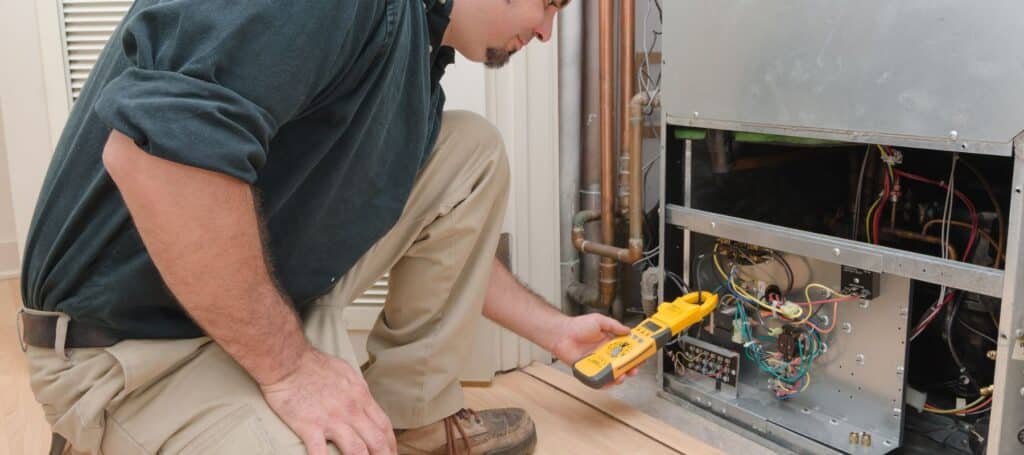
Protect Your Wallet Before Approving AC Repairs
AC problems in Hays County never seem to pop up on a cool, quiet day. They show up when the sun is high, the house feels stuffy, and everyone is already uncomfortable. That is exactly when an AC repair estimate can feel confusing, rushed, and stressful. You just want cold air again, fast, and it can be tempting to approve the first quote you get.
When the heat is intense and schedules are packed, some homeowners end up saying yes to repairs that cost more than they should or are not clearly explained. A little pressure, a few vague lines on an estimate, and it is easy to overpay or agree to work you do not fully understand. Knowing a few simple warning signs can keep that from happening.
We want you to feel confident before you approve any air conditioning repair in Hays County. By understanding how flat-rate pricing works, what parts markups really mean, and what to look for in warranties, you can compare quotes with less stress. Our goal is to educate and be honest about what is normal, what feels suspicious, and which questions are fair to ask any AC company before you say yes.
Understanding Flat-Rate AC Repair Pricing in Hays County
Flat-rate pricing means the company charges one set price for a specific repair, instead of billing you for every minute of labor and every small part. Time-and-materials pricing, on the other hand, charges based on actual time spent and each item used. Many HVAC companies use flat-rate pricing because it is easy to explain and gives you one clear number to consider.
Flat-rate pricing by itself is not a bad thing. In many cases, it can protect you from surprise charges if the job takes longer than expected. The problem comes when that flat rate is not clear, or when it is used to hide what is really going on.
A fair flat-rate estimate usually has:
- A clear description of the work being done
- Major components listed out, like motors or control boards
- A simple explanation of what is included in the price
Sneaky flat-rate estimates might show:
- Vague lines like “AC repair package” with no real detail
- A high “diagnostic” fee that suddenly disappears if you approve work right away
- Strong pressure to decide on the spot without time to think
You might also see very low “special” prices in ads during hot months. Those deals can be real, but sometimes they are used to get a technician into your home, then the real cost appears through add-ons or “required upgrades.”
Smart questions to ask about flat-rate pricing:
- What exactly is included in this price, and what is not?
- If you need more time than expected, will the price change?
- Can I see a simple breakdown of labor and major parts, even if you use flat-rate pricing?
If the person giving the estimate is calm, clear, and willing to explain, that is a good sign.
Parts Markups That Make AC Repairs Cost More Than They Should
Any company that works on AC systems will mark up parts. That is normal. They have to find the right part, carry it, handle any returns, and stand behind it if there is a problem later. The markup also helps cover training, tools, and other costs that keep your system running safely.
Reasonable markups can vary based on the type of part, how hard it is to get, and how quickly you need it. The problem is not the idea of markup itself. The problem is when a common part is priced way higher than it should be and no one will explain why.
Watch for parts pricing red flags like:
- A part that feels wildly overpriced compared to what you see as a general range online
- Very vague labels such as “electrical component” with a big price and no details
- No model, no description, and no real explanation of what the part does
- Pushy lines like “this price is only good if you say yes right now”
Some homeowners like to peek at rough online prices before deciding. Just remember that online prices do not include sourcing, handling, and warranty support. Still, if the number on your estimate looks far out of line and no one can explain it, that is a reason to slow down.
Questions to ask about parts:
- What is the exact part you are recommending, and why does it need to be replaced?
- Is this an OEM part or a universal part, and how does that affect price and performance?
- Is there any other repair option, or is full replacement of this part truly the only safe choice?
A trustworthy tech should be able to answer these without getting defensive.
Warranty Fine Print That Can Make or Break Your Repair Value
There are usually three layers of warranty when it comes to AC repair work:
- Manufacturer part warranty: What the maker of the part covers if it fails
- Labor warranty: What the HVAC company covers for the work they perform
- Any extended or maintenance plan warranties: Extra coverage based on memberships or add-ons
Many homeowners are surprised to learn that having a part under manufacturer warranty does not mean labor is free. The part might be covered, but the time and skill to install it usually are not. Also, many summer breakdowns happen on older systems, right as some warranties are ending.
Warranty red flags on AC repair estimates include:
- No mention at all of any warranty on the work
- Very short labor warranties on big repairs, like only a month on a major part, with no explanation
- Vague notes like “standard warranty applies” with no written terms or time frames
Important questions to ask before approving work:
- Is the part you are installing covered by a manufacturer warranty, and for how long?
- How long do you stand behind your labor on this repair, and what exactly is covered?
- If the same problem comes back within the warranty period, what happens and will I pay another service fee?
Clear answers in writing help you know what you are really getting for your money.
Comparing AC Repair Estimates Without Getting Overwhelmed
When you have two or three estimates in front of you, it is easy to focus only on the total price. That number matters, but it is not the whole story. A slightly higher estimate can be a better value if it uses better quality parts, includes a longer labor warranty, and comes from a team that explains things well.
Try comparing:
- Scope of work: Are they doing the same thing, or is one doing more or less?
- Parts quality: Are they using name-brand, OEM, or lower-quality universal parts?
- Warranty coverage: How long are they standing behind their work?
Also pay attention to how each company communicates. Do they listen? Do they answer questions with simple, clear language? Do they respect that this is your home and your money?
High-pressure sales tactics are another warning sign, especially when it is hot outside and everyone is feeling the strain. Watch for:
- “This deal is only good right now.”
- “Your family’s safety is at risk if you do not decide today,” when the system is still running.
- Constant negative comments about every other company you mention.
In many cases, a second opinion is a very smart step, especially for:
- Major part replacements, like compressors or coils
- Recommendations to replace the entire system
- Estimates that feel much higher than you expected
When you ask for a second opinion, you can show the other company your current estimate, but you can also ask them to explain what they see in their own words. Honest companies respect homeowners who want to be sure before they invest in big repairs.
Your Next Step to Confident AC Repairs in Hays County
The main red flags to watch for are pretty simple: unclear flat-rate pricing, mystery parts markups, and weak or missing warranty details. When any of those show up, that is your sign to slow down and start asking more questions. Clear communication and real transparency are the marks of an HVAC team you can trust in Buda, Hays County, and nearby communities.
We believe homeowners should feel comfortable saying, “Can you explain that a different way?” or “Can you put that in writing for me?” before agreeing to any air conditioning repair in Hays County. At Summit Air Conditioning & Heating, we focus on education and doing what is right, even when it is hard. With a little knowledge and the right partner, AC repairs can feel fair, low-stress, and ready to stand up to many Texas summers.
Restore Reliable Comfort To Your Home Today
If your AC is struggling to keep up, we can quickly diagnose the issue and get your system running the way it should. Schedule professional air conditioning repair in Hays County with Summit Air Conditioning & Heating and avoid bigger breakdowns later. Our technicians will explain your options clearly, respect your home, and stand behind the work. Reach out today through our contact page to book your visit.

