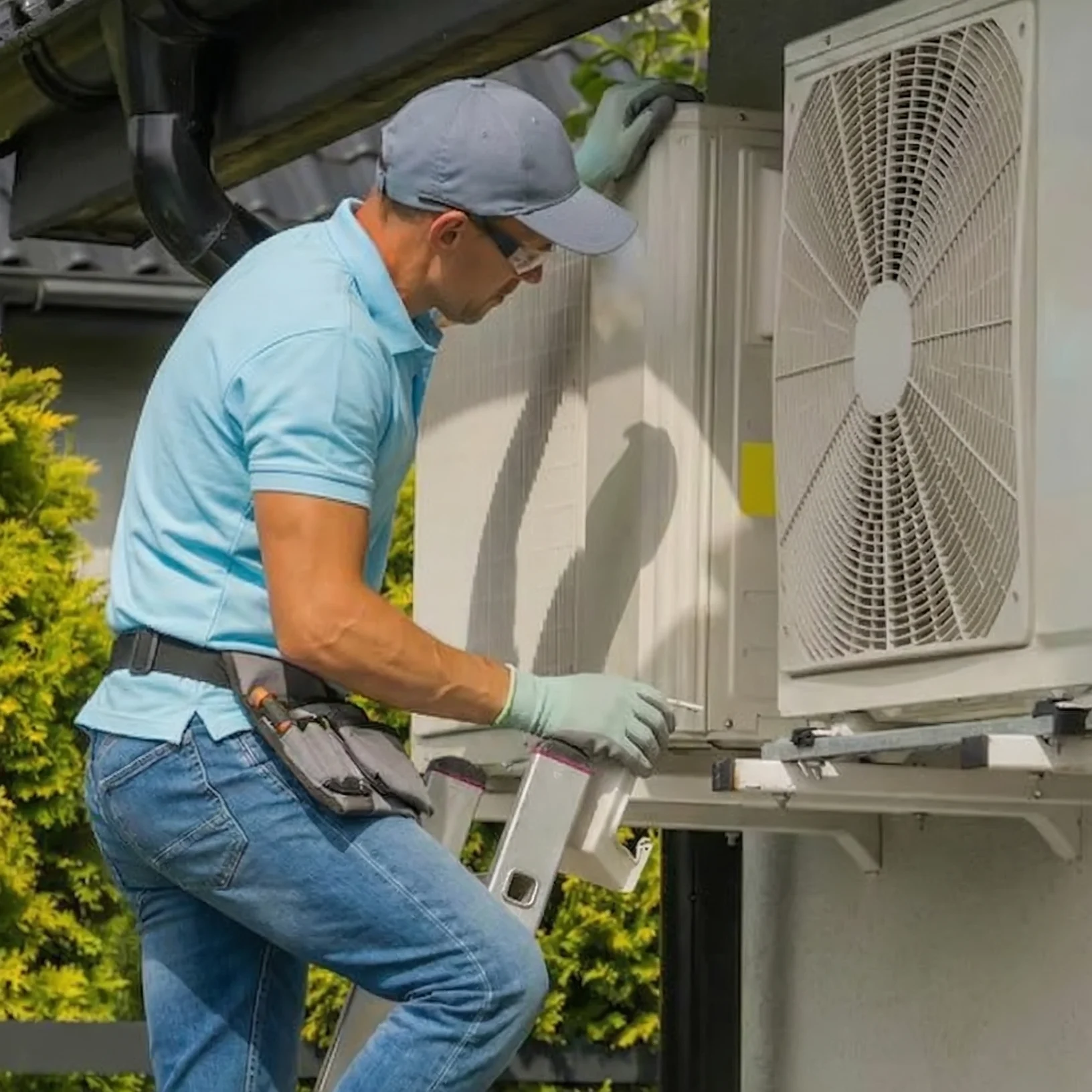
Keep HVAC Maintenance From Interrupting the Workday
Commercial HVAC maintenance in Buda works best when we plan it around your busiest hours, employee routines, customer traffic, and building access needs. A well-timed visit helps us maintain heating and cooling equipment without creating unnecessary interruptions for your team or customers.
No two commercial properties run the same way. An office may have quiet mornings, while a retail space, restaurant, or multi-tenant building may need service coordinated around peak activity. Before we visit, we recommend sharing your priorities and operating schedule so our insured, Texas state-licensed technicians can work responsibly within your space.
Build a Schedule for Commercial HVAC in Buda
The least disruptive maintenance window depends on more than your opening and closing times. We encourage you to think about customer volume, employee shifts, deliveries, security procedures, and who can provide access to mechanical rooms, rooftops, closets, or tenant spaces. A time that looks open on the calendar may still be busy for staff members handling deliveries, meetings, or customer service.
Planning ahead gives you more flexibility than waiting until a comfort concern becomes urgent. Regular maintenance lets us inspect equipment before a small issue affects your day-to-day operations. It also gives managers time to prepare staff, clear access routes, and choose a service window that makes sense for the building.
Businesses with early openings, late closings, multiple shifts, or limited on-site staff may need a more tailored plan. We can discuss the scope of the visit and help you choose a time when access is available without putting extra pressure on your team.
When arranging service, please share:
- The building’s operating hours.
- The busiest times of day.
- The best point of contact during service.
- Areas that require advance access coordination.
Businesses in Buda, Kyle, South Austin, Manchaca, and nearby Central Texas communities can have very different operating patterns. Clear communication helps us create a practical service plan that respects how your business runs.
Know What a Maintenance Visit May Involve
Commercial HVAC maintenance may include cooling equipment, heating equipment, or both, depending on your system and current service needs. Before the visit, we can explain the expected work so you know which areas may need access and how long certain checks may take.
During a cooling check, our technicians may inspect the condenser and coil, review refrigerant pressures and look for possible leaks, and check the compressor and contactors. We may also test electrical and safety controls, inspect wiring, review operating temperatures, amperage, voltage, and lubrication. These details help us understand how the AC system is operating as a whole.
A heating check can involve the blower, filters, burners, combustion, safety controls, heat exchanger, wiring, ignition, flues, and limit switch. Heating equipment may not require the same access as cooling equipment, so the planned scope matters when setting the appointment time.
A maintenance visit may include:
- Building access and contact coordination.
- Cooling system checks.
- Heating system checks.
- Safety control and electrical review.
The work involved can affect how much access we need and whether certain areas should be kept clear for a short time. Knowing the plan ahead of time helps you coordinate employees, tenants, or customers without making the day more complicated than it needs to be.
Prepare Your Team and Space Before Service Begins
A designated on-site contact can make the visit go much more smoothly. This person can answer questions, provide access, explain building rules, and let us know about any areas that need extra care. If the contact will not be available for the full service window, we recommend naming a backup person who can help if needed.
Before we arrive, make sure technicians can safely reach the equipment areas involved in the visit. That may mean clearing a path to a utility closet, mechanical room, thermostat, or other system component. You can also let us know about building entry procedures, parking instructions, security requirements, or tenant schedules that may affect access.
It is also helpful to report comfort concerns ahead of time. Tell us if staff members have noticed uneven temperatures, unusual system behavior, recurring comfort complaints, or rooms that seem harder to heat or cool. Those details give us a clearer starting point and help us focus on the areas that may need closer attention.
Normal operations do not need to stop for maintenance. Staff simply need to know who is arriving, where work may take place, and whom to contact if access is needed. A short heads-up can prevent confusion while allowing everyone to keep working.
Our technicians are trained to look beyond a basic repair. During service, we consider energy efficiency, system health and safety, and building durability, helping us provide useful information about the condition of your commercial HVAC equipment.
Track Commercial HVAC in Buda Between Visits
A documented service history can help you spot patterns over time. When we can review past concerns, service notes, and recommendations, it becomes easier to understand whether a comfort issue is isolated or keeps returning. Good records can also help when building use changes, equipment ages, or different areas begin to have different needs.
Simple notes can be valuable. Keep a record of the service date, concerns reported by staff, areas of the building affected, and recommendations from the visit. You do not need an elaborate system. Even a clear file shared with the right managers can make future maintenance conversations more productive.
Ongoing maintenance can support lower energy bills and longer equipment life when service needs are found and addressed over time. It also gives you a better picture of how your equipment is performing between visits, instead of relying only on complaints when something feels off.
After each appointment, take a moment to review the scheduling process. Consider whether the timing worked well, whether access was easy, and whether staff communication could improve next time. Small adjustments can make future visits feel more routine and less disruptive.
Summit Air Conditioning & Heating offers maintenance memberships with two maintenance calls per year, along with priority scheduling and repair discounts. Since every commercial property has different equipment, access needs, and operating hours, we recommend asking which options may fit your building.
Before a maintenance visit, gathering operating hours, access details, known comfort concerns, and the name of an on-site contact helps keep the process organized. This preparation supports a clearer plan and keeps maintenance aligned with the way your business operates.
Plan for Smoother Maintenance
A thoughtful maintenance plan brings together scheduling, access coordination, staff communication, and clear service records. By treating maintenance as part of normal building operations, businesses can help protect comfort while reducing avoidable interruptions during the workday.
Answers to Common Commercial HVAC Questions
Will Commercial HVAC Maintenance Always Need To Happen After Business Hours?
Not every maintenance visit needs to happen after business hours. The best time depends on the work involved, equipment access, customer activity, and your comfort priorities. Some checks can be completed during a quieter part of the day when the right areas are available.
How Far Ahead Should A Business Schedule HVAC Maintenance?
Advance scheduling gives you more options to choose a time that fits your operations. It also allows your staff to prepare access to equipment areas, notify tenants or employees, and share concerns with us before the visit begins.
What Should Employees Know Before An HVAC Maintenance Visit?
Employees should know the service window, any areas that may need to remain clear, and the on-site contact who can assist our technician if needed. A brief notice is often enough to help everyone understand what is happening without interrupting normal work.
What Information Should A Business Share When Booking Service?
Helpful details include operating hours, building access instructions, known comfort concerns, equipment locations, and the best person to contact during the visit. If there are security procedures, tenant restrictions, or delivery schedules, sharing those details can also help us plan responsibly.
Why Does Documented Maintenance History Matter?
Service records can help track recurring concerns, support planning for future maintenance, and provide useful information when building needs change. Over time, those notes give you and our technicians a clearer view of the equipment’s service history and ongoing needs.
Keep Your Business Comfortable and Prepared
For dependable commercial HVAC in Buda, our team can help you plan service that fits your building’s needs. Summit Air Conditioning & Heating brings a practical approach to commercial heating and cooling, with attention to system health, efficiency, and clear communication. Contact us to book an appointment in Buda.