Why Furnace Tune-Ups Matter Even in Mild Buda Winters
A lot of Buda homeowners wonder how often a furnace really needs service when our winters feel pretty mild. The truth is, your system still works hard in its own way, and it has to start up after sitting quiet through our long, hot season.
Central Texas brings sudden cool evenings, big temperature swings, and months of dust and pollen blowing around. Your furnace can sit still through all that, gathering debris. Then the first cool night hits, you switch it on, and it has to jump from zero to working smoothly with no warm-up. That stop-and-go use is tough on any piece of equipment.
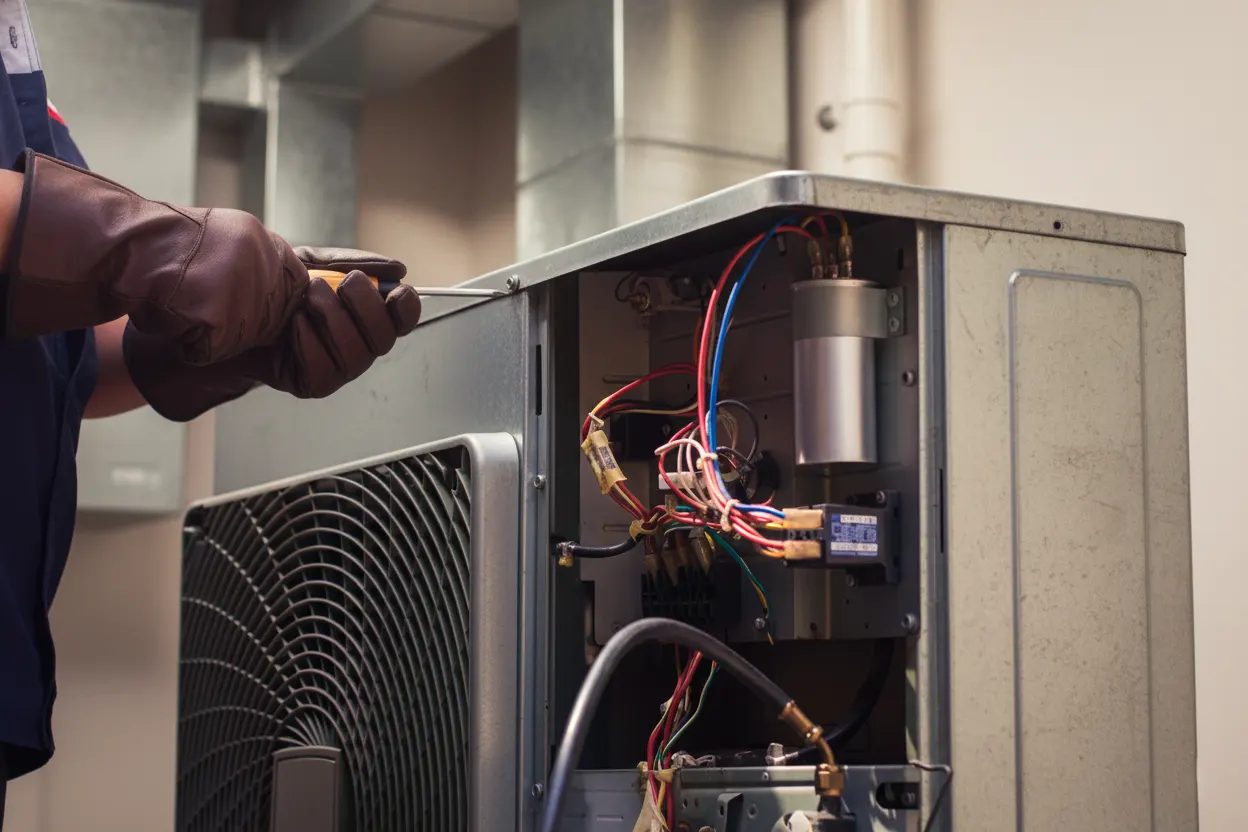
A furnace tune-up is a full checkup for your heating system. It usually includes inspection, cleaning, safety checks, and performance testing. That helps prevent:
- Surprise breakdowns when you finally need heat
- Hot and cool spots in the home
- Higher energy bills from a system that is working harder than it should
How often do you really need a furnace tune-up in Buda? The smart answer is it depends on your home, your habits, and the age of your system. We like to call that a risk-based schedule. We will walk through what that looks like, so you can match your schedule to your actual risk instead of guessing.
How Climate and Home Type Shape Your Tune-up Schedule
Buda does not have long months of cold, but our climate still creates a special kind of stress for furnaces. The system stays off most of the year while your AC carries the load. Then, when cooler evenings show up around fall, you expect the furnace to start cleanly and safely after months of sitting in Texas dust.
That stop-start pattern is different from areas where heat runs lightly most of the year. Many systems around here deal with:
- Long idle periods during hot seasons
- Dust, pet hair, and construction debris settling inside equipment
- Quick swings in use when cooler nights arrive
Your home type plays a big part in how strict your tune-up schedule should be.
For newer, well-insulated homes or townhomes:
- One professional furnace tune-up per year is usually enough
- The best time is early fall, around September or October
- This timing lets a technician spot problems before you turn the system on for regular use
For older homes, mobile or manufactured homes, or homes with drafty windows and doors:
- Stay on a firm annual tune-up schedule, every single year
- If you notice comfort or safety issues, consider an extra mid-season check
- Watch for rooms that do not heat evenly, long run times, or odd smells
Some Buda homes use combined heating and cooling systems, or heat pumps with backup furnaces, or have add-ons like whole-home air cleaners or humidifiers. These systems also benefit when a pro looks at everything as a whole. During a tune-up, those extra parts can be checked for:
- Proper wiring and controls
- Clean coils, fans, and filters
- Correct airflow that supports both comfort and air quality
Usage, System Age, and Risk: How Often Is Enough
How you use your heat matters as much as the weather. Two homes on the same street can have very different risks.
Some households are “occasional heater” homes. They:
- Keep thermostats lower
- Use heat for shorter periods in the evening or early morning
- Rely more on light layers or ceiling fans to stay comfortable
Other homes are “cozy-warm” homes. They:
- Set higher thermostat temperatures
- Run the furnace more hours each day during cooler weeks
- Expect even comfort in every room at all times
The more you run your furnace, the more wear and tear builds up. That is where a risk-based schedule comes in.
For furnaces under 5 years old:
A yearly furnace tune-up in Buda, done in early fall, is usually enough. This assumes the system was installed correctly and is sized right for the home
For furnaces 5 to 10 years old:
Still plan on at least one professional tune-up every year. Ask your technician to pay extra attention to parts that tend to wear in our climate, like ignition systems, blower motors, and safety sensors. Small problems at this age can grow if nobody is watching them
For furnaces 10 to 15 years old and older:
Do not skip that yearly tune-up, no matter how “fine” the system seems. If you notice new noises, strange smells, or rising energy bills, add a quick pre-season or pre-cold-snap check. At this age, talk honestly with your technician about repair risk and long-term plans
A good HVAC partner should give you straight answers about whether your home can stay with a once-a-year schedule, needs closer attention, or should start preparing for a future upgrade, even if that is a hard conversation.
Safety, Air Quality, and Energy Bills in a Mild Climate
Even in a mild climate, safety is a big reason to keep up with furnace tune-ups. A professional visit can include checks for:
- Gas leaks around fittings and connections
- Carbon monoxide risks from poor combustion
- Cracked or damaged heat exchangers
- Proper venting so exhaust goes outside, not back into your living space
When a system sits idle through months of hot, dusty weather, small issues can grow quietly. Catching them early is safer for everyone in the home.
Tune-ups also tie into indoor air quality. Dust, pet hair, and debris can settle:
- On burners
- On blower blades
- Inside the cabinet and ductwork
When you finally turn the furnace on, all of that can blow through your home. Dirty parts and clogged filters can bother people with allergies or asthma, especially during fall pollen and mold seasons.
A good furnace tune-up can help your system run more efficiently too. Cleaning and careful adjustments can reduce wasted fuel and energy. That can mean:
- Shorter run times
- Quieter operation
- Lower winter utility bills, even if you only use heat for part of the year
The best technicians act as educators. Instead of only fixing one noisy part, they look at the whole home, including comfort, energy efficiency, health and safety, and even how your building holds up over time.
The Best Time of Year to Schedule Furnace Service in Buda
For Buda homeowners, early fall is the sweet spot for furnace service. Late September through October works well because:
Cooler evenings start to show up
Schedules are still flexible before the busy holiday period
You have time to plan any needed follow-up work
To make it simple, think about a small seasonal checklist:
Late summer: Replace filters, clear clutter from around the furnace, and make sure supply and return vents are not blocked
Early fall: Have a professional perform a full furnace tune-up and safety inspection before you rely on it
First cool period: Pay attention during the first few starts, and take note of any unusual sounds, smells, or rapid cycling
It helps to pair furnace care with other home routines so it becomes a habit:
- When you clean gutters, think about your heating system
- When you check weatherstripping on doors and windows, plan your tune-up
- When you get fireplaces or gas logs checked, add furnace service to the list
For bigger projects like system replacements or changes that may need approvals, it also helps when your HVAC company has staff who can handle any necessary permits so you are not stuck dealing with paperwork yourself.
Putting a Risk-Smart Furnace Tune-up Plan Into Action
The big takeaway is simple: for most homes in Buda, a yearly furnace tune-up in early fall is a solid baseline. From there, you adjust based on your real risk. Ask yourself:
Is my home older, drafty, or harder to keep comfortable?
Do I have family members who are young, older, or have breathing issues?
Do I have a gas furnace or a system that has already had a few breakdowns?
If the answer to any of those is yes, staying on top of yearly professional maintenance is even more important. Some homes may need a little extra attention as systems age or usage patterns change, and that is okay. The goal is a plan that fits your home, not someone else’s.
Summit Air Conditioning & Heating is family-owned, fully insured, and licensed in Texas. Our team is built around doing what is right, even when it is hard, and we back our work with a 48-hour guarantee. We focus on reliable 5-star, family-style service, and we look at more than just a quick repair. When we care for a furnace, we think about comfort, energy use, health and safety, and the long-term health of the home.
Keep Your Home Warm, Efficient, and Worry-Free This Winter
Stay ahead of surprise breakdowns and rising energy bills with a professional furnace tune-up in Buda from Summit Air Conditioning & Heating. We will inspect, clean, and optimize your system so it runs safely and reliably when you need it most. Schedule your appointment today or contact us with any questions about your heating needs.